
Your pet’s neurological health is essential to their quality of life, affecting everything from movement and coordination to behavior and cognition. At ECoVets Veterinary Specialists & ER, our board-certified neurologist works alongside our skilled surgical team to provide comprehensive neurological care for dogs and cats in St. Augustine and the surrounding areas. Your companion facing seizures, paralysis, or unexplained behavioral changes receives expert attention from our team who combines advanced diagnostics with proven treatment methods to restore function and comfort.
Pet Neurology
Understanding Pet Neurology
Pet neurology is a veterinary specialty that focuses on diagnosing and treating disorders affecting the nervous system in animals. This field encompasses conditions involving the brain, spinal cord, peripheral nerves, and muscles that control movement, sensation, and cognitive function. Veterinary neurologists receive extensive training to identify and manage complex neurological problems that general practitioners may not encounter regularly in their practice.
Common neurological conditions in companion animals include intervertebral disc disease, which causes nerve compression and paralysis; epilepsy and other seizure disorders affecting brain function; balance and coordination disorders; and degenerative conditions like degenerative myelopathy. Pet neurology also addresses brain tumors, infections of the central nervous system, congenital abnormalities, and traumatic injuries requiring surgical intervention.

Benefits of Pet Neurology
Our Pet Neurology Treatment Process
- Diagnostic Imaging
- Strategy Development
- Neurosurgical Intervention
- Rehabilitation Support
- Neurological Monitoring
Detailed Neurological Examination and Diagnostic Imaging
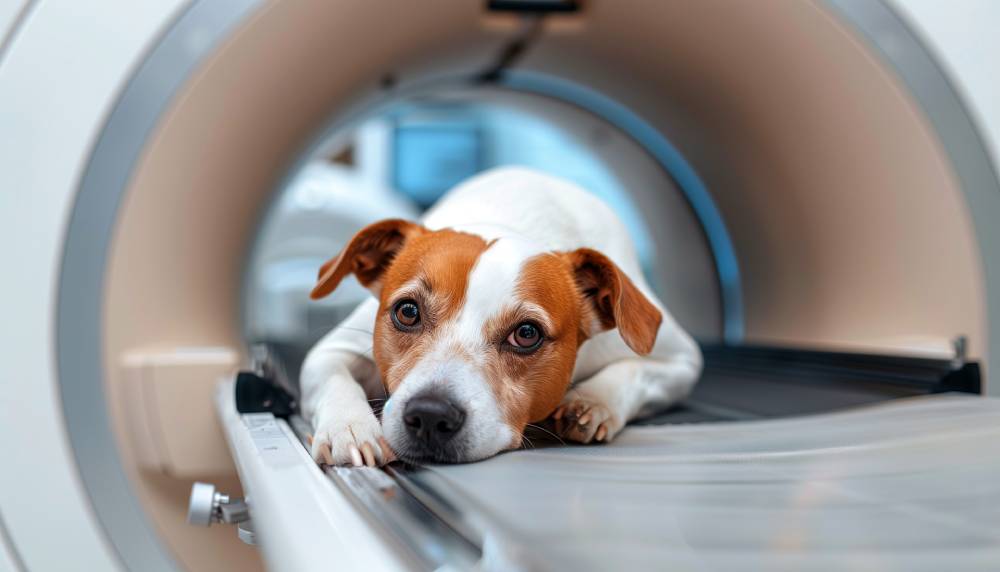
We begin with a comprehensive assessment to identify where the problem exists within your pet’s nervous system. Our team tests reflexes, analyzes walking patterns, evaluates cranial nerve responses, and assesses sensory function to localize the lesion. Advanced imaging reveals the exact nature and extent of damage, whether it’s a ruptured disc, brain tumor, or spinal fracture requiring intervention.
Personalized Treatment Strategy Development
Our neurology team designs a treatment approach based on your pet’s specific diagnosis, medical history, and your family’s goals. Surgery experts collaborate with our neurology expert to determine if surgical decompression, medical management with anti-seizure medications, or a combination approach offers the optimal outcome. We explain each option’s risks, benefits, and expected recovery trajectory.
Specialized Neurosurgical Intervention
Surgical cases involve microsurgical techniques performed under continuous monitoring to ensure your pet’s safety throughout the procedure. Our board-certified surgeon addresses the underlying pathology whether removing compressive disc material, stabilizing fractured bones, or accessing affected neural tissue for biopsy. Our surgical suite includes advanced anesthesia equipment and real-time vital sign monitoring critical for successful neurological procedures.
Structured Recovery and Rehabilitation Support
Post-surgical patients receive detailed instructions covering activity restrictions, medication schedules, and home care techniques. Cage rest protocols typically last 4-8 weeks depending on the procedure performed and your pet’s healing progress. Our surgeon’s certification in canine rehabilitation allows us to incorporate therapeutic modalities like underwater treadmill sessions and targeted strengthening exercises that accelerate functional recovery.
Ongoing Neurological Monitoring and Progress Evaluation
We schedule recheck appointments at strategic intervals to track improvement and modify treatment as needed. These visits include hands-on assessments documenting motor function changes and overall neurological status. Pets on anti-seizure medications require periodic blood work to ensure therapeutic drug levels and monitor organ function.
Why Choose Us for Pet Neurology
Our collaborative approach at ECoVets Veterinary Specialists & ER means your pet receives unified care from experts who have managed thousands of neurological cases together. The combined expertise of our veterinary neurologist and surgeon covers everything from epilepsy management and brain tumor diagnosis to complex spinal surgeries and critical care for neurological emergencies. Our emergency room operates day and night, ensuring pets experiencing acute paralysis, status epilepticus, or head trauma receive immediate expert evaluation rather than waiting days for a consultation. We offer rehabilitation services including underwater treadmill therapy and therapeutic laser treatment to support your pet’s recovery, keeping you informed and involved in every decision affecting your pet’s treatment to help your companion return to the activities they love.

FAQs
What causes sudden neurological issues in a dog?
Acute neurological problems in dogs frequently stem from disc herniations where nucleus pulposus material explosively exits the disc space and strikes the spinal cord, causing bruising and swelling. Toxin ingestion, particularly rodenticides, certain plants, and human medications, can trigger seizures or altered mental states within hours. Fibrocartilagenous embolism, a stroke-like event where disc material enters spinal blood vessels, causes abrupt paralysis without the typical pain seen with standard disc disease.
What causes sudden neurological issues in a cat?
Cats developing acute neurological signs may have experienced head trauma from falls, vehicle strikes, or altercations with other animals. Toxicity from lilies, permethrin-based flea products, or antifreeze can produce seizures, ataxia, or coma within hours of exposure. Saddle thrombus, a blood clot lodging at the aortic bifurcation, causes dramatic hind limb paralysis and vocalization, though this represents a cardiovascular rather than primary neurological emergency requiring different treatment approaches.
Can a cat have neurological issues after getting spayed?
Cats occasionally show temporary neurological effects following spay surgery related to anesthetic drugs, particularly in the immediate recovery period as medications wear off. Most cats regain normal balance and awareness within several hours post-anesthesia. Rare complications like blood clots, surgical site infections spreading systemically, or severe allergic reactions to medications can produce concerning signs including seizures, prolonged disorientation, or inability to stand, warranting immediate veterinary contact for assessment and potential intervention.
When to put a dog down with neurological problems?
Quality of life assessment guides this difficult decision and should consider whether your dog experiences uncontrolled pain despite medication, has lost the ability to eat or drink independently, or suffers from relentless seizures unresponsive to anti-epileptic drugs. Dogs maintaining appetite, interacting with family members, and showing stable or improving neurological function often benefit from continued treatment.
How to test for neurological disorders in dogs?
Neurological testing begins with a thorough physical examination where the veterinarian evaluates your dog’s walking ability, reflexes, and nerve responses to locate the problem area. Advanced imaging like MRI or CT scans provides detailed pictures of the brain, spinal cord, and discs to identify issues such as tumors, herniated discs, or inflammation. Additional tests may include spinal fluid analysis to check for infections or inflammation, and nerve conduction studies to assess how well signals travel through your dog’s nerves and muscles.

Trust Our Compassionate Pet Neurology Experts for Specialized Care
Dogs and cats displaying neurological symptoms require prompt evaluation from our neurology and surgery experts who can distinguish between conditions requiring emergency surgery or ongoing medical management to maintain quality of life. ECoVets Veterinary Specialists & ER accepts emergency walk-ins around the clock for urgent symptoms and scheduled referrals for conditions requiring advanced diagnostics or planned surgical intervention.
Call us at 904-417-8589 to schedule your consultation or discuss your pet’s neurological symptoms with our team. Navigate to our location at 135 Cumberland Park Dr, St. Augustine, FL 32095 using Google Maps and read reviews from families whose pets have regained function through our care. Follow our Facebook and Instagram pages to see recovery stories, learn about neurological conditions, and stay connected with our team dedicated to restoring your companion’s quality of life.
Request Appointment